
Ostracods and copepods get lumped together constantly, and it is easy to see why. Both are tiny crustaceans, both live in substrate and rockwork, and both show up in the same conversations about cleanup crews and live food. But they are genuinely different organisms with different roles, different feeding behaviors, and different reasons you might choose one over the other, or more commonly, why you might want both working together in the same tank.
The physical difference is the easiest place to start. Copepods are small, elongated crustaceans with visible segmented bodies and antennae, and many species swim actively through the water column in short, darting bursts. Ostracods look almost nothing like that. Often called seed shrimp, ostracods have a hinged, bean-shaped shell that fully encloses their body, giving them a bivalve-like appearance more than a typical crustacean silhouette. If you have ever seen tiny, dark specks crawling across the glass or substrate that look more like moving seeds than swimming bugs, that was almost certainly an ostracod.
| Trait | Ostracods | Copepods |
|---|---|---|
| Body shape | Bean-shaped hinged shell | Elongated, segmented body |
| Primary location | Substrate, detritus layer | Water column, rockwork, substrate |
| Movement style | Slow crawling | Active swimming, darting bursts |
| Primary role | Detritus and biofilm cleanup | Cleanup plus a primary live food source |
Behavior is where the practical difference really matters for how each organism functions in your tank. Ostracods are slow, substrate-bound crawlers, spending most of their time working through detritus at the bottom of the tank rather than swimming freely. This makes them excellent at breaking down waste in places manual cleaning tools cannot easily reach, but it also means fish rarely target them as a primary food source, since ostracods simply are not moving through open water where most fish hunt.
Copepods split their time differently depending on species, but many, including the ones most commonly sold in the aquarium trade, swim actively through the water column in quick bursts that trigger a strong predatory response in fish. This is exactly why copepods dominate the live food side of the hobby. Their movement pattern mimics natural prey behavior closely enough that fish, corals, and filter feeders respond to them with genuine hunting and feeding behavior, not just passive grazing.
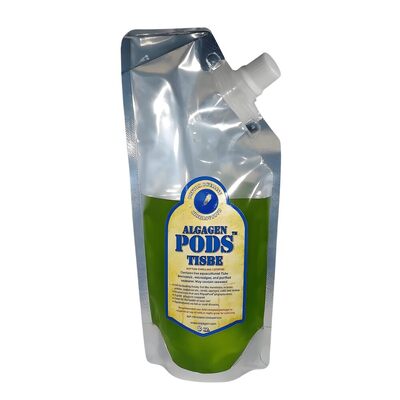
AlgaGenPods™ Tisbe represents the copepod side of this comparison well. Tisbe copepods are active, benthic-leaning swimmers that fish actively hunt, making them one of the most reliable live foods for triggering natural feeding behavior in picky eaters, fry, and specialized feeders like mandarins.
Ostracods, on the other hand, earn their place primarily through cleanup work rather than as a headline food source. Their constant grazing through substrate and biofilm keeps detritus from accumulating in the exact spots that are hardest to manually maintain, quietly reducing the nutrient load that would otherwise feed algae and stress water quality over time. Bio-actiV Freshwater Plankton™ combines both organisms in a single product, giving a tank the swimming, food-source benefit of copepods alongside the substrate-cleaning specialty of ostracods, rather than requiring you to source and establish each separately.
Reproduction rates and population resilience differ meaningfully too. Copepods, particularly fast-reproducing species, can rebound quickly from predation pressure, which is part of why they work well as an ongoing live food source even in tanks with active predators. Ostracods reproduce more slowly and are less commonly consumed by fish in the first place, which means their populations tend to build steadily and stay more stable over time, once established, without needing frequent replenishment.
Choosing between the two, or more accurately, deciding how much of each you want working in your tank, comes down to what problem you are actually trying to solve. If the goal is a reliable, ongoing live food source that triggers active hunting behavior in fish, copepods are the more direct answer. If the goal is quiet, background cleanup of detritus and biofilm in hard-to-reach substrate, ostracods do that job more specifically. Most well-rounded tanks benefit from having both, since neither organism fully replaces what the other does.
Establishing each organism in a home tank also follows a different timeline worth planning around. Copepod populations, especially fast-reproducing species, can build noticeably within just a couple of weeks under good conditions, making them a relatively quick addition when a tank suddenly needs a live food boost. Ostracods take longer to establish a population dense enough to make a visible dent in detritus levels, often needing four to six weeks of undisturbed growth before their cleanup contribution becomes meaningful. Planning for that difference in timeline helps set realistic expectations rather than assuming both organisms will show results on the same schedule.
Predation pressure affects the two groups differently as well, and this shapes how you might want to introduce each into an established display tank. Because copepods are actively hunted by many fish, a heavily stocked predatory tank can suppress a copepod population faster than it can reproduce, which is why refugiums exist as a dedicated breeding space free from that pressure. Ostracods face far less predation simply because most fish do not target them as readily, which means a display tank population is more likely to persist and grow on its own without needing a refugium as a safe haven.
This lower predation pressure is actually one of the more underappreciated advantages ostracods offer a beginner setup. A hobbyist without a refugium, or without the space or interest in building one, can still successfully establish a self-sustaining ostracod population directly in a display tank, since there is comparatively little consuming them faster than they reproduce. That makes ostracods a genuinely easier starting point for anyone new to live cultures who wants results without additional equipment.
Neither organism competes directly with the other for the same ecological niche, which is exactly why they coexist so well in the same system. Copepods working the water column and rockwork, ostracods working the substrate below, together cover more ground than either could manage alone, closing gaps in the cleanup and food web that a single organism, no matter how effective, simply cannot fully address by itself.
Frequently Asked Questions
Can ostracods and copepods live together in the same tank?
Yes, and they generally coexist well since they occupy different niches, with copepods more active in the water column and ostracods focused on substrate.
Which is better as a live food source, ostracods or copepods?
Copepods are generally the better live food source, since their active swimming behavior triggers stronger hunting responses in fish compared to slower, substrate-bound ostracods.
Do ostracods help with algae control?
Indirectly, yes. By consuming detritus and biofilm before it accumulates, ostracods help reduce the nutrient buildup that commonly fuels nuisance algae growth.
How can I tell if I am looking at an ostracod or a copepod?
Ostracods have a bean-shaped, hinged shell and crawl slowly, while copepods have elongated segmented bodies and swim in quick, darting bursts through open water.
Related Reading
How to Culture Freshwater Copepods at Home
Setting Up a Kid-Friendly Aquarium at Home
Copepods for Refugium Setup Guide


Recent post