
Fish coloration is not just genetics on display. It is largely a diet-driven trait, and the wild diet that produces the brightest, most vivid wrasses, dottybacks, and mandarins is built on a steady supply of small crustaceans, amphipods chief among them. Tank-bred fish fed exclusively on flake or pellet food often fade toward a duller version of their natural coloration over time, not because something is wrong, but because their diet is missing the pigment-rich food source that produces vibrant color in the wild.
Amphipods are small, shrimp-like crustaceans that live in rubble, macroalgae, and low-flow zones throughout a reef tank. Fish that hunt and consume them are getting far more than a snack. They are getting a concentrated source of carotenoid pigments, the same compound family responsible for the orange, red, and yellow tones seen throughout the animal kingdom, from flamingos to salmon to the vivid stripes on a well-fed wrasse.
These pigments are not something fish can produce internally. Carotenoids must come from diet, which means a fish's coloration is a fairly direct reflection of what it has been eating. A tank stocked with a healthy, self-sustaining amphipod population gives fish constant, low-effort access to this pigment source, rather than relying entirely on occasional frozen or prepared foods that may or may not contain adequate carotenoid levels.
| Fish Species | Coloration Benefit | Feeding Behavior |
|---|---|---|
| Wrasses | Enhanced red, orange, and pattern vibrancy | Active hunters, forage rockwork constantly |
| Mandarins | Sustains overall health, indirectly supports color | Slow, constant grazers, need dense populations |
| Dottybacks | Deepens purple and magenta tones | Opportunistic hunters, quick strikes |
| Blennies | Supports natural coloration and body condition | Perch and pick at rockwork throughout the day |
Beyond coloration, amphipods contribute directly to overall fish health in ways that are easy to overlook. They are high in protein and essential fatty acids, offer natural enrichment through hunting behavior, and provide a steady food source that reduces the stress-related coloration fading that comes from inconsistent feeding. A fish that is actively hunting live prey throughout the day is also getting mental and physical stimulation that a purely prepared diet cannot replicate.
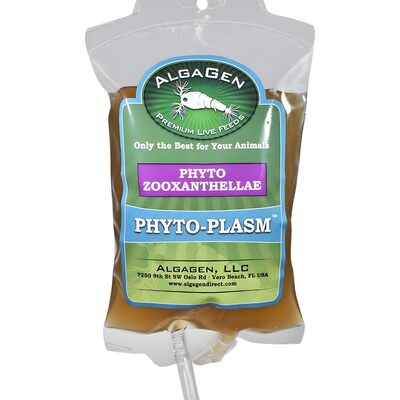
Building a healthy amphipod population starts with feeding the population itself, since amphipods are detritivores and algae grazers that also benefit from direct phytoplankton supplementation. Phyto-Plasm™ Phyto Zooxanthellae works well for this purpose, combining phytoplankton with zooxanthellae algae into a blend that supports amphipods and other filter feeders directly, helping the population grow strong enough to reliably supply fish with a consistent food source.
A refugium is the most reliable place to build a strong amphipod population without immediate predation pressure. Live rock rubble, macroalgae like chaetomorpha, and low flow all give amphipods places to hide and breed undisturbed. Once the population is established, some amphipods will naturally migrate into the display tank through overflow or plumbing, giving display fish ongoing access without requiring the entire population to be exposed to predation at once.
Patience matters here more than most new reefers expect. A newly seeded amphipod population needs weeks, sometimes longer, to establish itself before it can support meaningful predation from fish without collapsing. Adding fish that hunt amphipods aggressively before the population has had time to grow often undoes the seeding effort entirely, leaving the tank right back where it started.
Watching for signs of a thriving population helps you judge when your tank is ready to support fish that rely on amphipods for coloration. Amphipods darting across the glass at night, visible movement in macroalgae, and a general sense of activity in the refugium all indicate a population healthy enough to start supplementing your fish's diet and, over time, their color.
It helps to separate genetics from diet when thinking about fish coloration, since the two get conflated constantly in casual conversation. Genetics sets the ceiling. A fish's species and, in some cases, its specific bloodline determine the maximum potential vibrancy it can display. Diet determines how close that fish actually gets to that ceiling. Two genetically identical wrasses raised on different diets can look noticeably different by the time they reach adulthood, and amphipod access is one of the more consistent variables separating a merely healthy fish from a genuinely vibrant one.
This distinction matters for setting realistic expectations. Amphipods will not turn a naturally muted species into something it is not, and they will not compensate for poor water quality, chronic stress, or an otherwise inadequate diet. What they reliably do is help a fish reach its actual genetic potential for coloration, which for many species is a meaningful and visible improvement over a diet built entirely around prepared foods.
Balancing predation pressure against population growth is the practical challenge most reefers eventually run into. A refugium that never lets any amphipods reach the display tank provides no coloration benefit at all, while a display tank with too many aggressive hunters and no refugium backup will deplete the population faster than it can reproduce. The sweet spot is a refugium sized appropriately for your display's predation pressure, ideally with enough hiding structure that a portion of the population is always breeding undisturbed.
Amphipods work best as one part of a broader feeding strategy rather than a total replacement for other foods. Combining a healthy amphipod population with quality prepared foods and occasional phytoplankton dosing covers the full nutritional spectrum a fish needs, rather than relying on any single food source to do all the work. Coloration, health, and natural behavior all improve together when the diet as a whole reflects what a fish would actually encounter on a healthy reef.
Coloration in fish is ultimately a long game, not a quick fix. There is no single feeding that transforms a faded fish into a vibrant one overnight. What actually works is consistency, a diet that includes natural, pigment-rich prey like amphipods, and enough patience to let a population establish before expecting results. Build that foundation, and the coloration improvements tend to follow on their own, exactly the way they would on a natural reef.
Frequently Asked Questions
How do amphipods actually improve fish coloration?
Amphipods are rich in carotenoid pigments, which fish cannot produce internally and must obtain through diet. Consistent access to amphipods supplies these pigments naturally.
Which fish benefit most from amphipods in the tank?
Wrasses, dottybacks, mandarins, and blennies all actively hunt amphipods and show noticeable coloration and health benefits from a consistent population.
How long does it take to build a healthy amphipod population?
Most refugium-seeded populations need several weeks to a couple of months of undisturbed growth before they can reliably support predation from display tank fish.
Can I feed amphipods directly to boost their population?
Yes. Supplementing with phytoplankton and algae blends supports the amphipod population directly, helping it grow strong enough to sustain regular predation from fish.
Related Reading
How to Use Amphipods in Your Aquarium
How Nutrition Affects Fish Coloration
Copepods for Refugium Setup Guide


Recent post