
Choosing a fish tank for a kid is a genuinely different exercise than choosing one for yourself. It is not just about picking something that looks nice and fits the budget. A good kids' tank needs to survive real-world enthusiasm, occasional overfeeding, and a curiosity level that adults sometimes forget to plan around. Get the setup right, and 2026 can be the year a kid's fish tank actually sticks as a lasting hobby rather than fading into background noise after a few weeks.
The instinct to start small for a kid's first tank is understandable but usually backfires. Small tanks are less forgiving of the inconsistent feeding and maintenance schedule that comes with a child managing at least part of the responsibility. A tank in the 20 to 29 gallon range gives enough water volume to buffer against the occasional missed water change or overly generous feeding, without becoming too large or heavy for a kid to feel genuine ownership over.
Visual interest matters more for a kids' tank than almost any other design consideration. Kids lose interest fast in a tank with a handful of fish darting through empty space. A well-aquascaped tank, with live plants, interesting rockwork, and varied swimming levels, gives a child more to actually watch and notice day to day, which is exactly what keeps a first aquarium from becoming something they walk past without a second glance.
| Feature | Why It Matters for Kids | Recommendation |
|---|---|---|
| Tank size | More stable, forgives inconsistent care | 20 to 29 gallons |
| Fish activity | Sustains ongoing interest and observation | Active schooling species, varied colors |
| Maintenance load | Keeps the hobby from becoming a chore | Live cleanup crew, simple filtration |
| Educational value | Turns the tank into hands-on learning | Visible microfauna, plant growth |
Fish selection should lean toward hardy, active, visually engaging species that tolerate the inevitable learning curve of a first-time keeper. Guppies, platies, danios, and corydoras all handle minor water quality fluctuations better than more sensitive species, while still offering enough color and activity to hold a kid's attention. Avoid species that require precise, narrow water parameters for a first tank, since the margin for error a beginner needs is exactly what those species do not provide.
Maintenance load is where a lot of well-intentioned kids' tanks quietly fall apart. If the entire cleanup burden rests on manual gravel vacuuming and water changes alone, the tank becomes a recurring chore that competes with homework, sports, and everything else in a kid's schedule. Building in a living cleanup layer changes that dynamic substantially. Bio-actiV Freshwater Plankton™ introduces copepods and ostracods that work continuously through the substrate and around plant roots, handling detritus that would otherwise require constant manual attention.
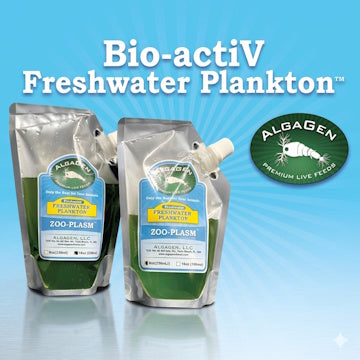
Educational value is genuinely one of the strongest arguments for including a living cleanup crew in a kid's tank setup, beyond the maintenance benefit alone. Copepods and ostracods, visible to the naked eye against a dark substrate, give a curious kid something real to observe beyond just fish swimming past. A cheap magnifying glass held up to the glass turns a routine tank check into an actual moment of biology exploration, which tends to build genuine long-term interest far more than passive fish watching alone.
Safety and practicality deserve honest consideration for a kid's tank specifically. A sturdy, properly rated stand matters even more when a child might occasionally lean or bump against the setup. Rounded or acrylic tank options reduce injury risk compared to standard glass for younger kids, and a secure, well-fitted lid prevents both curious hands and jumping fish from creating unwanted incidents.
Involving a kid in the actual setup process, rather than presenting a finished tank as a surprise, meaningfully increases their long-term investment in caring for it. Letting them help choose the aquascape layout, pick out a few of the fish species, and understand the basics of why feeding and water changes matter builds a sense of ownership that a fully pre-assembled tank simply cannot replicate.
Setting realistic expectations about the learning curve makes a real difference in whether the hobby survives its first few rough patches. Mistakes are inevitable with a first tank, whether it is a slightly overfed weekend or a missed water change during a busy week. Framing these moments as part of learning, rather than treating them as failures, keeps a kid engaged through the setbacks that would otherwise discourage a young hobbyist from sticking with it.
Budgeting for the full setup, not just the tank itself, prevents the common letdown of an incomplete first aquarium. A tank purchased without a properly sized filter, adequate lighting, or a reasonable substrate and decoration budget often ends up understocked or poorly maintained simply because the essentials were never fully accounted for. Planning the complete setup cost upfront, including a modest allowance for live plants and a cleanup crew, gives the tank a genuine chance to look and function the way a kid actually imagined it would.
Location within the home also plays a bigger role in a kid's long-term interest than it might seem at first. A tank tucked away in a rarely visited corner or a bedroom that stays dark most of the day gets checked on far less often than one placed somewhere the family naturally passes by throughout the day. A shared space like a living room or kitchen keeps the tank part of everyday routine, which reinforces the habit of checking on it far more effectively than good intentions alone.
A kid's first fish tank in 2026 does not need to be complicated or expensive to succeed. It needs the right size for stability, engaging fish and aquascaping to hold attention, a living cleanup layer to reduce the manual burden, and enough kid involvement in the setup to build genuine ownership. Get those elements right, and the tank has a real chance of becoming a lasting hobby rather than another abandoned setup gathering dust by summer.
Frequently Asked Questions
What size tank is best for a kid's first aquarium?
A 20 to 29 gallon tank offers the best balance of stability and manageability, giving enough buffer against inconsistent care without becoming too large for a kid to feel ownership over.
What fish species work well for a beginner kids' tank?
Hardy, active species like guppies, platies, danios, and corydoras tolerate minor water quality fluctuations while still offering enough color and activity to hold interest.
How can I make tank maintenance less of a chore for my kid?
Adding a living cleanup crew like copepods and ostracods significantly reduces manual detritus removal, keeping the tank easier to maintain between water changes.
Should my kid help set up the tank themselves?
Yes. Involving kids in the aquascaping and fish selection process meaningfully increases their long-term interest and sense of ownership over the tank.
Related Reading
Setting Up a Kid-Friendly Aquarium at Home
How to Build a Self-Sustaining Aquarium System
How to Culture Freshwater Copepods at Home


Recent post