
LPS coral photosynthesizes, but that alone rarely covers its full energy needs. Zooxanthellae, the symbiotic algae living within LPS tissue, converts light into a portion of the coral's energy, but a healthy, actively growing colony depends on supplemental feeding to fill the rest of that nutritional gap. Choosing the right live foods, and understanding how to actually deliver them, makes the difference between an LPS colony that survives and one that genuinely thrives.
Not every live food works equally well for LPS specifically. Their feeding mechanism, relatively large polyps that extend to capture particles from the surrounding water column, favors certain food types and delivery methods over others, and understanding that mechanism is the real key to feeding LPS effectively.
Broadcast feeding is the foundational technique for LPS coral, and it works because of how their polyps actually capture food. Unlike filter feeders that continuously strain water, LPS polyps extend outward and physically grasp particles that drift into contact with them. This means food needs to be suspended in the water column, ideally during a period of reduced flow, giving polyps enough time to extend fully and make contact with whatever is being offered.
| Food Type | Particle Size | Best Use |
|---|---|---|
| Phytoplankton | Microscopic | Base nutrition, supports pod population |
| Copepods | Small, mobile | Direct broadcast feeding, larger LPS polyps |
| Rotifers | Very small | Smaller-polyped LPS species |
| Mixed blends | Varied | General feeding across mixed coral tanks |
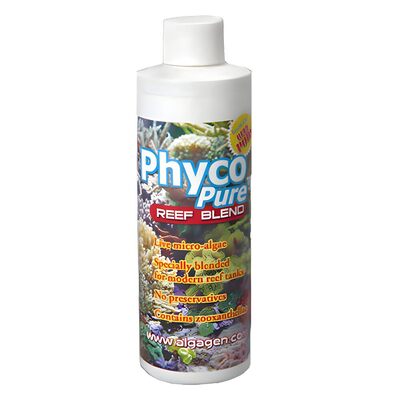
Phytoplankton forms the essential base layer of any LPS feeding routine, even though corals do not consume it directly in large quantities themselves. PhycoPure™ Reef Blend combines multiple phytoplankton strains into a single dose, supporting both direct coral nutrition and the broader pod population that many LPS species graze on as a secondary food source. Regular phytoplankton dosing keeps this entire feeding ecosystem functioning, rather than relying solely on direct feeding events.
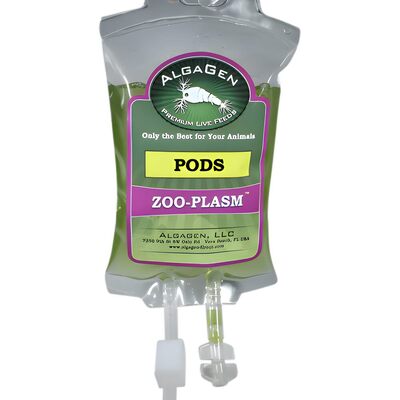
Copepods represent the next tier of feeding, and for larger-polyped LPS species in particular, they offer a genuinely effective direct feed. Their size and mobility mean LPS polyps can physically capture and consume them during a broadcast feeding, delivering more concentrated nutrition than phytoplankton alone. Zoo-Plasm™ PODS works well for this purpose, and its Easy Feed Packaging makes broadcast feeding straightforward, letting you distribute live copepods evenly across a tank during a low-flow window without needing to manually portion or mix anything beforehand.
Timing feeding around flow is genuinely one of the most impactful adjustments a reefer can make to LPS feeding success. Turning off or reducing return pumps and powerheads for fifteen to thirty minutes during feeding gives polyps time to fully extend and actually capture what is being offered, rather than having food swept past before contact happens. Skipping this step is one of the most common reasons LPS feeding attempts seem ineffective, even when the food itself is high quality.
Frequency matters as much as food choice, and this is where many reefers either underfeed or overfeed without realizing it. Most LPS coral benefits from broadcast feeding two to three times per week, enough to support consistent growth and coloration without overloading the tank's nutrient export capacity. Daily feeding, particularly with concentrated foods, can push nutrient levels beyond what a tank's biological filtration and export mechanisms can comfortably process.
Species-specific preferences do exist within the broader LPS category, and it is worth observing your specific corals rather than assuming a single feeding approach fits every LPS species equally. Larger-polyped species like Euphyllia and Trachyphyllia generally respond well to copepod-sized food, while smaller-polyped species may benefit more from rotifers or finer particle sizes that better match their actual capture ability.
Gut loading the live foods themselves adds another layer of nutritional value that is easy to overlook when focused on feeding technique alone. Copepods and rotifers retain the nutritional profile of whatever they last consumed for only a few hours, which means feeding your copepod or rotifer culture a quality phytoplankton blend shortly before offering it to LPS coral significantly increases the nutritional value delivered during that feeding. Skipping this step still provides some benefit, but a well gut-loaded live food noticeably outperforms one fed on an empty stomach.
Water quality monitoring after establishing a regular feeding routine helps catch any imbalance before it becomes a real problem. Increased feeding naturally raises the nutrient load in a tank, and while LPS coral generally benefits from the additional input, monitoring nitrate and phosphate levels over the first few weeks of a new feeding schedule confirms that your tank's export capacity, whether through protein skimming, macroalgae, or water changes, is keeping pace with the increased bioload feeding introduces.
New reefers sometimes assume that more feeding automatically means faster growth, but LPS coral has a practical limit to how much nutrition it can actually use at once. Overfeeding beyond that limit does not accelerate growth further, and instead simply adds unused organic waste to the tank, feeding nuisance algae rather than the coral itself. Sticking to a moderate, consistent schedule tends to outperform aggressive, high-volume feeding in the long run, both for coral health and overall water quality.
Consistency over time matters more than any single feeding session, no matter how well executed. A tank that feeds LPS coral reliably two to three times weekly, using an appropriately sized food matched to flow and timing, will generally show better long-term growth and coloration than a tank feeding sporadically with occasional larger, less consistent feedings. Corals respond to predictable rhythms, and feeding is no exception to that pattern.
Getting LPS feeding right is less about finding one perfect food and more about building a layered, consistent routine. Phytoplankton supports the base of the system, copepods or similarly sized live food deliver direct coral nutrition, and proper timing around flow ensures that food actually reaches hungry polyps rather than drifting past unused. Combine those elements consistently, and LPS coral responds with the kind of steady growth and vibrant color that makes the extra effort worthwhile.
Frequently Asked Questions
How often should I broadcast feed my LPS coral?
Most LPS coral benefits from broadcast feeding two to three times per week, balancing consistent nutrition against the tank's overall nutrient export capacity.
Should I turn off my powerheads when feeding LPS coral?
Yes. Reducing or turning off flow for fifteen to thirty minutes during feeding gives polyps time to fully extend and actually capture the food being offered.
Is phytoplankton enough to feed LPS coral on its own?
No. Phytoplankton supports the base of the feeding ecosystem and the pod population, but larger LPS polyps benefit significantly from direct feeding with copepods or similarly sized live food.
Do all LPS species prefer the same size of food?
No. Larger-polyped species generally respond well to copepod-sized food, while smaller-polyped species may capture rotifers or finer particles more effectively.
Related Reading
The Beginner's Guide to Mastering LPS Coral Care
Reef Tank Lighting Spectrum, PAR, and Schedule
Understanding Zooxanthellae Algae and Its Benefits


Recent post