
LPS coral has a reputation for being forgiving, and compared to many SPS species, it is. That reputation is exactly what gets new reefers into trouble. A coral that tolerates minor mistakes for a while can still be quietly declining under the surface, and by the time the damage shows up as tissue recession or bleached tips, several small errors have usually stacked up over weeks or months.
The good news is that most LPS problems trace back to a short list of repeatable mistakes. Once you know what they are, avoiding them is mostly a matter of adjusting habits rather than overhauling your entire system.
The single most common mistake is assuming light alone is enough. LPS coral does host zooxanthellae, the symbiotic algae that convert light into a portion of the coral's energy, but zooxanthellae alone rarely covers the full nutritional need of a healthy, actively growing colony. Corals that receive light but never receive supplemental feeding tend to survive rather than thrive, and their color often fades toward a dull brown as the coral prioritizes basic survival over pigment production.
| Common Mistake | Why It Hurts the Coral | Simple Fix |
|---|---|---|
| Relying on light alone | Zooxanthellae cannot fully meet nutritional needs | Add regular supplemental feeding |
| Placing coral in direct high flow | Prevents polyps from extending and feeding | Position in indirect, gentle flow |
| Sudden lighting changes | Triggers stress bleaching in days | Acclimate new lighting gradually over weeks |
| Ignoring alkalinity swings | Stresses tissue and slows growth | Test weekly and dose consistently |
| Placing frags too close together | Triggers chemical and physical warfare between corals | Leave room for full polyp extension |
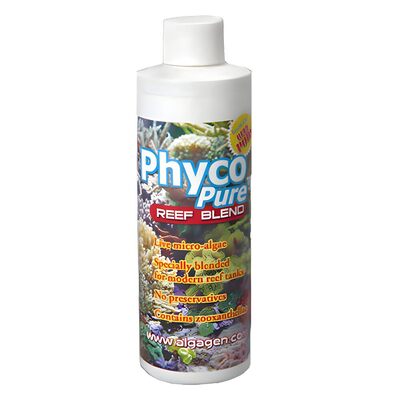
Feeding is where a small adjustment makes the biggest visible difference. LPS coral responds well to broadcast feeding, where a fine, nutrient-dense food is introduced into the water column during a period of low flow, giving the polyps time to extend and capture it. PhycoPure™ Reef Blend works well for this purpose, since it combines multiple phytoplankton strains into a single feed that supports both the coral directly and the broader pod population that many LPS species also benefit from grazing on.
Flow placement is the second mistake that trips up new reefers, often for the opposite reason they expect. Strong, direct flow feels productive, but LPS polyps need calm water to extend fully and capture food particles. A coral blasted by direct flow keeps its polyps retracted defensively, which looks like a healthy, compact coral but is actually a coral that is barely eating and slowly starving. Indirect, gentle turbulent flow, the kind that moves the water without hitting the coral head-on, allows polyps to open fully and stay open for longer feeding windows.
Lighting changes deserve more caution than most new reefers give them. Moving a coral from a dimmer setup to a brighter light, or simply increasing intensity on existing fixtures, can trigger a stress response within days if it happens too quickly. LPS coral needs weeks, not days, to acclimate to a meaningful increase in light intensity. Ramping new lighting gradually, and watching for early signs like polyp retraction or color washing out, prevents a mistake that is far easier to avoid than to reverse.
Water chemistry stability matters more for LPS than raw parameter numbers do. A tank sitting at a slightly low alkalinity consistently will often outperform a tank that swings between high and low readings throughout the week. Corals adapt to stable conditions even if those conditions are not textbook perfect. What stresses LPS tissue is the swing itself, since the coral has to constantly readjust its calcification process rather than settling into a predictable rhythm.
New reefers also tend to underestimate how much LPS coral can hurt itself and its neighbors when placed too close together. Many LPS species deploy sweeper tentacles or chemical defenses that extend well beyond their visible base, and a beautiful frag rack arranged for symmetry can quietly become a battlefield. Giving each coral enough space for full polyp extension without touching a neighbor prevents a slow decline that often gets misdiagnosed as a water quality issue.
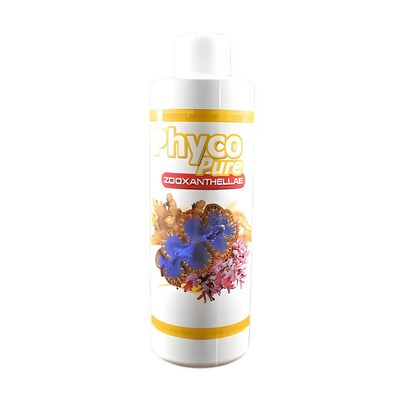
When a coral does show early stress, whether from a recent frag transition, a lighting change, or a period of neglected feeding, restoring its zooxanthellae population can speed recovery. PhycoPure™ Zooxanthellae is formulated specifically to replenish this symbiotic algae population, supporting the coral's ability to rebuild both energy production and coloration during recovery.
Newly acquired frags deserve extra patience that many new reefers skip past in their excitement to see full color. A coral arriving from a shipment or a local frag swap has already been through significant stress, and adding it directly into a bright, high-flow spot on day one compounds that stress rather than letting the coral settle. Placing new arrivals in a lower, calmer zone for the first two to three weeks, then slowly moving them toward their permanent spot, gives the coral time to acclimate before facing full tank conditions.
Daily observation matters more than most equipment upgrades. A coral's polyp extension, color, and tissue texture tell you far more about its condition than a test kit checked once a week. Reefers who take thirty seconds each day to actually look closely at their LPS coral tend to catch problems while they are still minor, long before recession or bleaching becomes visible from across the room. That habit alone prevents more losses than any single piece of equipment ever will.
None of these mistakes require an experienced reef keeper to avoid. They require attention to the small, repeatable habits that determine whether a coral merely survives or actually thrives. Feed consistently, place corals in calm indirect flow with room to breathe, change lighting gradually, and keep water chemistry stable rather than perfect. Get those four habits right, and most of the mistakes that quietly kill LPS coral in a new reefer's tank simply never get the chance to happen.
Frequently Asked Questions
How often should I feed my LPS coral?
Most LPS coral benefits from broadcast feeding two to three times per week, timed during low flow periods so polyps have time to extend and capture food.
Why is my LPS coral not opening up?
Retracted polyps are most often caused by excessive direct flow, recent lighting changes, or unstable water chemistry. Check flow placement first, since it is the most common and easiest fix.
How much space should I leave between LPS frags?
Leave enough room for each coral's polyps to fully extend without touching a neighbor, since many LPS species use sweeper tentacles to defend their territory.
Can I recover an LPS coral that has lost its color?
Often, yes. Color loss usually indicates a reduced zooxanthellae population, and consistent feeding combined with a zooxanthellae supplement can support recovery over several weeks.
Related Reading
The Beginner's Guide to Mastering LPS Coral Care
Reef Tank Lighting Spectrum, PAR, and Schedule
Understanding Zooxanthellae Algae and Its Benefits


Recent post