
Every fish that comes home with you is carrying more than you can see. Parasites, bacteria, and stress hormones travel quietly, and by the time symptoms show up in your display tank, the problem has usually already spread. A quarantine tank is the single most effective habit a fish keeper can build. It is not optional insurance. It is the difference between catching a problem in a five-gallon bucket versus fighting it across a fully stocked reef.
Setting one up sounds intimidating the first time, but the process is simpler than most people expect. You do not need a second display tank or expensive equipment. You need a small, controllable space where you can watch a new arrival closely, treat it if needed, and keep every risk contained.
Start with size. A 10 to 20 gallon bare bottom tank works for most fish, and bare bottom matters more than people think. Sand and gravel trap waste and hide parasites, which defeats the purpose of quarantine entirely. A bare glass or acrylic tank lets you see waste immediately and makes cleaning fast. Add a simple sponge filter, a heater, and a lid. Skip the substrate, skip the decorations except for a piece of PVC pipe or a plastic hide, and keep the setup easy to break down and disinfect between uses.
Cycling is where most people go wrong. A brand new quarantine tank has no beneficial bacteria, which means ammonia and nitrite can spike fast with just one fish producing waste. Some keepers run the quarantine tank on a separate cycled sponge filter that lives in the sump of the display tank between uses, ready to go the moment a new fish arrives. This gives you instant biological filtration without exposing your main tank to whatever the new arrival might be carrying. If you cannot pre-cycle a filter, plan on daily water testing and larger, more frequent water changes for the first two weeks.
Temperature and salinity should match your display tank as closely as possible, so the eventual transfer does not add another layer of stress. Keep lighting dim. A stressed or sick fish does not need a bright reef light blasting down on it around the clock. Dim, indirect lighting helps a nervous fish settle and start eating sooner.
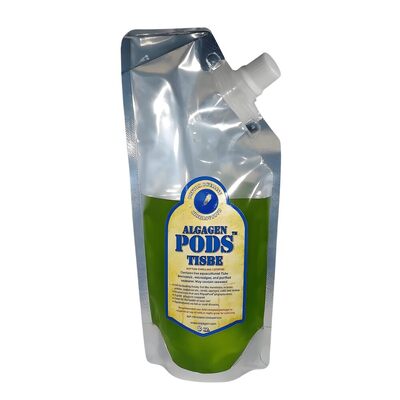
Feeding is where quarantine tanks succeed or fail quietly. A newly arrived fish is often too stressed to recognize flake or pellet food, and uneaten food fouls a small, uncycled tank fast. This is where live food changes the outcome. Live, moving prey triggers a feeding response that dry food simply cannot, and it does not sit and rot if a fish ignores it for a few hours. Something like AlgaGenPods™ Tisbe gives a stressed fish a natural, recognizable food source that also helps establish the tank's biological activity, since the copepods themselves consume detritus and leftover waste.
| Quarantine Week | Feeding Focus | Water Testing | Watch For |
|---|---|---|---|
| Week 1 | Live copepods or rotifers, small amounts, twice daily | Daily ammonia and nitrite | Appetite, breathing rate, hiding behavior |
| Week 2 | Introduce frozen food alongside live food | Every other day | Visible spots, cloudy eyes, unusual scratching |
| Week 3 | Transition toward normal diet | Twice weekly | Consistent eating, stable coloration |
| Week 4 | Full normal diet, prepare for transfer | Final full panel before release | No symptoms for at least 7 straight days |
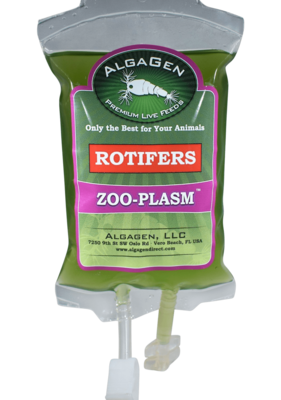
Smaller or more delicate species, including mandarins, seahorses, and many wrasses, often need something even finer than copepods to get started, especially in the first few days. Zoo-Plasm™ Rotifers fill that gap. Rotifers are small enough for fish with tiny mouths and picky feeding habits, and offering them during the first days of quarantine often makes the difference between a fish that starts eating on day two versus one that goes a week without food and enters your display tank already weakened.
Watch your new arrival closely during quarantine, not just for disease but for basic behavior. A healthy fish explores its space, breathes evenly, and responds to movement outside the glass. A fish that hides constantly, breathes rapidly, or refuses food past the first few days needs closer attention and possibly treatment before it goes anywhere near your main system. Four weeks is the generally accepted minimum quarantine period for most saltwater fish, since many common parasites have life cycles that take that long to fully show themselves.
Resist the urge to shorten quarantine just because a fish looks fine after a week. Ich, velvet, and internal parasites can all sit dormant before symptoms appear, and a fish that looked perfect on day five can break out with visible spots on day twenty. The small tank you already built is doing its job by giving that parasite nowhere to hide except in a space you control completely.
When quarantine is complete, transfer the fish using a net rather than the water it was living in, so nothing unwanted travels along with it into your display tank. Clean and fully disinfect the quarantine tank before it sits empty, ready for the next arrival. Keeping this habit consistent, even when a fish looks perfectly healthy at the store, is what actually protects the community you have spent months or years building. A single skipped quarantine period is rarely a problem. It is the one time it goes wrong that costs you everything else in the tank.
A quarantine tank does not need to be elaborate to work. It needs to be consistent, clean, and stocked with food that gets a nervous fish eating fast. That combination, more than any medication cabinet, is what actually keeps a reef healthy for the long run.
Frequently Asked Questions
How long should a fish stay in quarantine?
Most saltwater fish should stay in quarantine for a minimum of four weeks. This gives enough time for common parasites like ich and velvet to complete their life cycle and become visible if present.
Do I need a filter in a quarantine tank?
Yes. A sponge filter provides gentle, effective filtration without disrupting medications you may need to use, and it can be pre-cycled in your display sump so it is ready the moment a new fish arrives.
Why won't my new fish eat in quarantine?
Stress from shipping and a new environment often suppresses appetite. Live foods such as copepods or rotifers trigger a natural feeding response far more reliably than flake or pellet food during this adjustment period.
Can I quarantine multiple fish together?
Only if they arrived from the same source at the same time. Mixing fish from different sources in one quarantine tank risks cross-contaminating them with each other's parasites or pathogens.
Related Reading
How to Prevent and Treat Common Aquarium Fish Diseases
The Best Methods for Aquarium Water Changes
The Role of Beneficial Bacteria in Aquariums


Recent post